
Western Wildlife Control

Wildlife Removal

signs of raccoons in your attic
Wildlife Removal

7 Common Signs That Raccoons Are Living in Your Attic

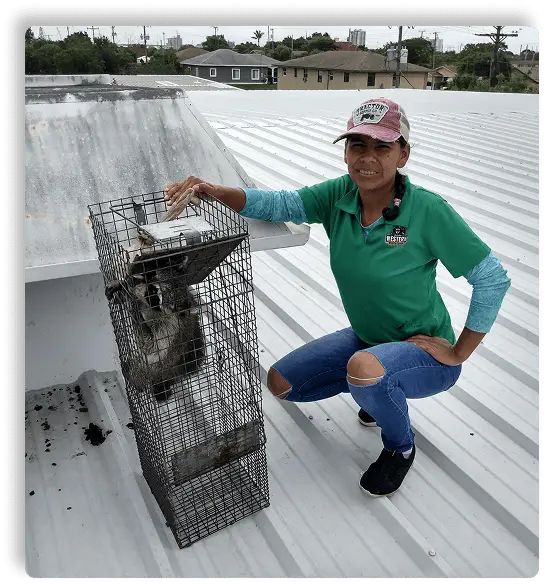
If you’re hearing strange noises overhead at night, you may be noticing the early signs of raccoons in your attic. In South Florida, raccoons are one of the most common and most destructive attic invaders we deal with, and the longer they stay, the more damage they do. The good news: raccoons leave behind clear clues. Below are the seven clearest signs of raccoons in your attic, so you can catch the problem early and know when it’s time to call a professional. 1. Loud Noises at Night (Especially Heavy Thumps) Raccoons are nocturnal, so activity ramps up after dark. Unlike rats or squirrels, which make light, scurrying sounds, raccoons are big animals. You’ll hear heavy thumping, rolling, dragging, and even what sounds like footsteps. If the noise sounds “too big” to be a mouse, trust your instincts. It usually is. 2. Entry Holes and Damaged Roof Edges Raccoons don’t squeeze through small cracks. They make their own doorways. Look for: Torn or pulled-back soffits and fascia Damaged roof vents or ridge caps Holes near the roofline, eaves, or gable vents Dirty grease smears on exterior walls or downspouts where they climb A raccoon can do real structural damage just getting inside. A hole roughly the size of a cantaloupe is a major red flag. 3. Droppings and a Strong Odor Raccoons use a communal “latrine,” meaning they keep going to the same spot. Over time this creates a buildup of droppings and urine that soaks into insulation and wood, leaving a strong, musky, ammonia-like smell that drifts down into your living space. This isn’t just unpleasant. Raccoon droppings can carry roundworm and other health hazards, which is why cleanup should always be handled professionally with proper sanitation. 4. Damaged or Flattened Insulation When raccoons move in, they push, tear, and trample your insulation to build a nest. If you see matted, displaced, or torn-up insulation (look carefully, and never corner a raccoon), something has been living up there. Damaged insulation also drives up your energy bills. 5. Chewed Wires and Wood Damage Raccoons gnaw and claw at wood beams, ductwork, and electrical wiring. Chewed wires are especially dangerous. They’re a genuine fire hazard and one of the most expensive forms of attic damage to repair. This alone is reason enough not to wait. 6. Daytime Sightings and Hand-Shaped Tracks Seeing a raccoon climbing your downspout, lounging on the roof, or patrolling the fence line at dusk is a strong hint they’ve found a way in nearby. Inside the attic, look for small, hand-shaped footprints in the dust, a telltale raccoon sign. A mother raccoon will often den close to where she’s regularly spotted. 7. The Sound of Babies (Chittering or Crying) During nesting season, females raise their young (called kits) in attics. If you hear high-pitched chirping, whimpering, or crying sounds, you likely have a mother and a litter. This requires special care: the babies must be removed safely too, or they’ll be left behind to die in your attic, creating a far worse odor and sanitation problem. Why You Shouldn’t Wait or Try DIY The instinct is to handle it yourself. But raccoons are powerful, can carry disease, and will defend their young aggressively. In Florida, there are also regulations around how nuisance wildlife can be trapped and handled. A botched DIY removal often means injured animals, abandoned babies, and a raccoon that simply comes right back through the same hole. The damage compounds fast, so catching the signs of raccoons in your attic early almost always saves money. How Western Wildlife Control Solves It As a family-owned, Florida-born team, we handle the entire problem from start to finish, humanely and for good: Free inspection to confirm raccoon activity and find every entry point Safe, humane removal of adults and any babies Exclusion and sealing so they can’t get back in Attic sanitation and restoration to clean up droppings, odor, and damaged insulation We offer same-day service across South Florida, so you don’t have to spend another sleepless night listening to footsteps overhead. Hearing something in your attic right now? Call Western Wildlife Control at (561) 355-9699 for a free inspection. We’ll find out what’s up there and get your home back to quiet. Learn more about our Raccoon Trapping service → Frequently Asked Questions Are raccoons in the attic dangerous? Yes. Beyond structural and wiring damage, raccoon droppings can carry roundworm and other pathogens, and raccoons may carry rabies. A mother raccoon will also act defensively to protect her young. It’s safest to have them removed by professionals. What time of year do raccoons get into attics in Florida? It can happen year-round in South Florida’s warm climate, but it peaks during nesting season (roughly late winter into spring) when females look for a safe, sheltered place to raise their litter. Will raccoons leave on their own? Usually not, especially a mother with babies. Your warm, dry, predator-free attic is exactly what she wants. Without removal and sealing, they’ll stay and keep breeding there. How do I keep raccoons from coming back? The key is exclusion: sealing every entry point, reinforcing weak spots in soffits and vents, and trimming overhanging branches that give roof access. Professional cleanup also removes scent markers that attract other raccoons. Do you remove raccoons humanely? Yes. We prioritize the safety of both your family and the animals, using humane, ethical methods, including the careful removal of any babies.

Wildlife Removal

Florida Snake Info

Snake Removal Services from Western Wildlife Control Are you worried about snakes invading your yard or lurking near your home? Restore peace of mind and protect your family with Western Wildlife Control’s expert Snake Removal Services—trusted by homeowners across Palm Beach and Broward counties. Why Choose Us? As a local, family-owned business, we understand the unique challenges of South Florida wildlife. We treat every home as if it were our own—with empathy, respect, and a commitment to your safety. Our Service Features: Prompt, Same-Day Response: When you call, we arrive quickly, minimizing risk and worry. Humane Removal: We safely catch and relocate all snakes, prioritizing both your family’s safety and the health of local wildlife. Thorough Property Inspection: We identify problem areas and entry points, offering guidance to prevent future incidents. Local Expertise: Our team knows the native species and the habits most common in your neighborhood. Discreet, Non-Intrusive Service: We’ll resolve your issue quickly and quietly, keeping your privacy intact. Tangible Benefits for Your Home: Immediate relief from the stress and potential danger of unwanted snakes. Protection for your children and pets—especially from venomous species found in South Florida. Lasting confidence that your yard is safe and secure. Advice tailored to your property for ongoing peace of mind. What Sets Us Apart: Unlike national chains, we’re your neighbors—committed to honest, reliable service and humane wildlife management. Our family is here to help yours. Take Back Your Peace of Mind Today Don’t let the worry of snakes keep you from enjoying your own backyard. Call Western Wildlife Control now or schedule your free inspection at westernwildliferemoval.com. Let our family protect yours—reach out today!

Wildlife Removal

The Raccoon in Your Attic: Understanding Behaviors and Preventing Home Invasions

When you hear mysterious footsteps scurrying overhead or the unmistakable sound of scratching in the walls, there’s a good chance you have an uninvited guest: the raccoon. While they might seem cute from a distance, raccoons are resourceful, highly intelligent animals whose behaviors can quickly turn an attic into their personal hotel—leaving homeowners with costly damage and unwelcome surprises. As a family-owned company serving Palm Beach and Broward counties, Western Wildlife Control has helped many neighbors reclaim their homes from these clever creatures. Read on to discover why raccoons invade attics, the signs to look for, and practical steps you can take to keep your home and family safe. Why Do Raccoons Target Attics? The Science Behind Their Sneaky Behavior Raccoons are incredibly adaptive urban dwellers. Originally forest creatures, they’ve learned to see suburban neighborhoods as a smorgasbord of opportunity. Your attic is especially appealing for several reasons: Safety from Predators: Elevated, enclosed spaces like attics protect raccoons from threats such as coyotes and large birds of prey. Shelter from the Elements: Attics offer warmth during chilly Florida snaps and dryness during our heavy rains and stormy seasons. Prime Nesting Grounds: Spring and early summer mark raccoon breeding season, making your attic a prime maternal den for raising young kits. A raccoon’s ability to solve problems, coupled with dexterous paws, means a loose vent, cracked soffit, or even an overlooked chimney cap can serve as a welcome mat. Just last spring, we helped a family in Boca Raton whose attic was picked by a mother raccoon as the perfect nursery—her hidden entry point was a barely visible gap behind a downspout. Signs You’re Sharing Your Attic With Raccoons Raccoon intrusions rarely go unnoticed for long, but the signs might not be obvious at first. Watch for the following red flags: Noises: Thumping, rolling, or scratching—especially during dusk and dawn when raccoons are most active. Strong Odors: A sharp, musky scent, often accompanied by the smell of urine and feces. Physical Evidence: Torn insulation, chewed wires, gnawed vents, and distinctive “hand-like” paw prints in dust near entry points. Visible Damage: Displaced shingles, soffits, or attic vents—raccoons can exploit even small vulnerabilities. If you notice any combination of these, it’s time to act quickly. Raccoon guests can cause thousands of dollars in damage, create fire risks by shredding insulation and chewing on electrical wires, and introduce health hazards to your family. The Hidden Costs and Risks of Raccoon Attic Invasions It’s easy to underestimate the impact of a raccoon invasion. Many homeowners attempt DIY fixes, only to find problems persist or even worsen. Here’s why: Structural Damage: Raccoons can tear apart insulation, chew through wood, and dislodge vents as they create pathways and nesting sites. Electrical Hazards: Chewed wires not only mean costly repairs, but also increase the risk of fire. Contamination: Raccoon droppings carry diseases such as leptospirosis, salmonella, and raccoon roundworm—all hazardous to humans and pets. Repeat Offenses: Without thorough exclusion, raccoons (or another set!) often return through the same vulnerable points. A recent client in Delray Beach noticed persistent odors even after a failed DIY removal. On inspection, we found both old and new entry points—proof that raccoons remember locations and are relentless in exploiting weaknesses. Practical Steps to Protect Your Florida Home Prevention is your best defense against attic invasions. Here’s what you can do right now: Inspect Your Roof and Eaves: Look for loose shingles, gaps in soffits, or unprotected vents. Don’t forget hidden spots behind gutters or around chimney bases. Trim Overhanging Branches: Keep tree limbs cut back from your roof to limit easy access. Secure Garbage and Pet Food: Raccoons are lured in by accessible food sources. Use sturdy, animal-proof lids and avoid feeding pets outside. Install Chimney Caps and Vent Covers: Opt for durable, wildlife-proof hardware cloth, not lightweight mesh. Schedule a Professional Inspection: Wildlife experts know precisely where raccoons like to sneak in, and can spot vulnerabilities homeowners may miss. Remember, raccoons breed mainly during spring and early summer in South Florida—now is the prime season for infestations, making proactive steps especially critical. The Western Wildlife Control Approach: Humane Solutions, Local Expertise At Western Wildlife Control, we take pride in providing effective, humane solutions tailored to our local communities. Our process includes: Thorough Inspection: We identify every potential entry point, both inside and out. Safe & Humane Removal: Specialized equipment and methods ensure every raccoon—especially mothers with kits—are relocated safely. Comprehensive Cleanup: We remove contaminated materials, sanitize affected areas, and restore attic insulation as needed. Permanent Exclusion: Using top-quality materials, we seal every possible entry to prevent future invasions. Personalized Prevention Advice: We help you make your home less attractive to wildlife—now and in the future. Conclusion: Take Back Your Attic—And Your Peace of Mind Raccoons are clever, persistent, and always seeking new opportunities. But with awareness, prompt action, and expert support, you can protect your home—and the local wildlife who belong outdoors, not inside your attic. Don’t Let Raccoons Rule the Roost—Contact Western Wildlife Control Today! Have you heard suspicious sounds in the attic or noticed unexplained damage? Don’t wait until curiosity becomes catastrophe. Call Western Wildlife Control for a free attic assessment, professional removal, and lasting peace of mind. Visit westernwildliferemoval.com or call us now to schedule your expert inspection. Protect your home, your family, and our Palm Beach and Broward communities.

Wildlife Removal

What about the babies! Baby Raccoons in Attic? What should I do?

Baby Raccoons in the Attic: A Homeowner’s Essential Guide Discovering strange noises in your attic at night can be unsettling. When those sounds turn out to be the pitter-patter and chitter of baby raccoons, it’s both a heartwarming and concerning situation. As adorable as these tiny creatures seem, their presence signals a complex problem requiring careful—often expert—attention. At Western Wildlife Control, we’ve helped countless families in Palm Beach and Broward counties deal with raccoons and other wildlife. This post distills our experience and research into practical advice every homeowner should know about baby raccoons in attics. Why Attics Attract Raccoon Families Raccoons are exceptionally smart and opportunistic. In the wild, they seek out hollow trees or sheltered burrows to raise their young. As urban and suburban landscapes expand, attics often provide everything a mother raccoon needs: warmth, quiet, and protection from predators. Common Entry Points Include: Loose or damaged roof shingles/tiles Gaps in soffits or eaves Broken attic vents or screens Chimneys without secure caps Once inside, a raccoon mother will make a den, pulling insulation into a nest for her kits (baby raccoons). In our fieldwork, most attic raccoon invasions begin in the spring—prime birthing season. Homeowners are often unaware until noises become noticeable at night. Recognizing the Signs: Do You Have Baby Raccoons Upstairs? Curious as to whether those noises above are raccoons? Here’s what to look for: Telltale Signs of Raccoon Kits: Distinct Sounds: Young raccoons make vocalizations like chittering, mewing, and cooing—often heard early morning or after dusk. Movement Patterns: Heavy footsteps or rolling sounds (as kits learn to walk) at night. Odors: A growing litter creates strong, musty smells from urine and droppings. Physical Evidence: Ripped insulation, disturbed nesting materials, and piles of droppings. Visual Sightings: Occasionally, you might spot a mother raccoon entering or exiting the roof at dusk. Case in point: The Ramirez family in Boca Raton noticed high-pitched noises and clawing overhead for a week before calling us. Upon inspection, we discovered three kits nestled deep within pink insulation—a classic attic raccoon den. The Risks: Health, Safety, and Home Damage While baby raccoons may appear harmless, an attic infestation can bring serious problems: 1. Structural Damage Raccoons tear apart insulation, chew through wires (posing fire risks), and may damage HVAC systems. They widen entry holes, making your home vulnerable to future pests and the elements. 2. Health Hazards Raccoon feces can carry dangerous parasites like raccoon roundworm (Baylisascaris procyonis) and harmful bacteria. Accumulated waste causes mold and air quality issues. Mother raccoons will defend their young; attempting removal without protection can lead to bites or scratches. Centers for Disease Control and Prevention (CDC) data highlights zoonotic risks associated with raccoons, especially roundworm, which can cause severe illness in people and pets if not properly managed. Humane Solutions: What You Should—and Shouldn’t—Do DIY raccoon removal carries real risks and, in Florida, disturbing wildlife—especially when young are present—may be subject to regulation. Improper handling can result in orphaned kits or injury. Instead, best practices include: Step-by-Step Approach: Confirm Presence: Use safe observation (listen for noises, check entry points; avoid direct contact). Call a Licensed Professional: Animal control or wildlife specialists, like Western Wildlife Control, are trained to humanely remove and reunite family units, observing local and state laws. Humane Removal & Relocation: Professionals use one-way doors, scent and sound deterrents, and—if safe—manual removal with protective gear. Kits are typically reunited with their mother before relocation. Cleanup & Restoration: Essential to remove waste, sanitize, and replace contaminated insulation to restore air quality and prevent disease. Important: Never attempt to trap or relocate adult raccoons yourself; mothers separated from their kits may cause even greater damage trying to re-enter, and trapped wildlife may suffer. Preventing Future Raccoon Incursions Once raccoons have been safely removed, take steps to ensure your attic doesn’t become a nursery again: Seal Vulnerable Areas: Repair soffits, replace missing shingles, screen vents, and cap chimneys. Trim Tree Branches: Overhanging limbs act as raccoon highways—keep them cut back from your roofline. Secure Garbage and Pet Food: Raccoons are drawn to food scents—always use animal-proof bins. Schedule Annual Inspections: Have your attic and roof professionally checked before and after breeding season. Pro tip: Investing in professional exclusion work now saves you on expensive repairs and future wildlife hassles. Conclusion If you suspect baby raccoons have made your attic their home, you’re not alone—this is a common challenge across South Florida. The key is balancing compassion for wildlife with the safety and integrity of your home. With expert advice, swift action, and effective prevention, you can resolve the issue humanely and permanently. Take Action Now Do you hear scratching or chirping in your attic? Don’t wait until the damage escalates. Contact Western Wildlife Control—your local, family-owned wildlife specialists serving Palm Beach and Broward counties—for a professional inspection and tailored humane removal plan. Ready for peace of mind? Call us or share your raccoon questions and experiences in the comments below. Let our family help protect yours—safely, humanely, and with expert care.

Wildlife Removal

Raccoons with Mange! Is it contagious?

Safeguard Your Home from Raccoons with Mange—Expert, Local, and Humane Solutions for Every Season If you’ve noticed sickly or scruffy raccoons around your property, it could signal a serious problem. Mange—a contagious skin disease—impacts raccoons most visibly during seasonal peaks and can spread to pets and even people. Left unchecked, these animals often seek the warmth of your attic or crawl spaces, posing risks to your family’s health and your home’s integrity. Why Choose Western Wildlife Control? Seasonal Expertise: We understand how raccoon behavior changes throughout the year, helping us prevent and address infestations at the times they’re most likely. Humane, Safe Solutions: Our removal techniques are effective, non-lethal, and always family- and pet-friendly. Disease Protection: Immediate action can stop mange mites from spreading into your living spaces or to domestic animals. Comprehensive Service: We thoroughly inspect your home, seal entry points, and provide clear recommendations to prevent recurring issues. Local, Family-Owned Advantage: As your neighbors in Palm Beach and Broward counties, we offer personalized care, swift response times, and a commitment to the community you won’t find with national chains. The Benefits for Your Home Peace of Mind: Protect your loved ones and pets from disease. Long-Term Results: Effective, humane solutions designed for our local environment. Trusted Support: Work directly with a team that cares about your family and stands by its service. Take Action—Protect Your Home Today! Don’t wait until a minor sighting turns into a major problem. Call Western Wildlife Control now or visit westernwildliferemoval.com for a free inspection and fast, expert help. Safeguard your home and your peace of mind—schedule your consultation today!

Wildlife Removal

Birds in Soffit! What a mess!

Birds Nesting in Soffit Panels: Protecting Your Home with Humane Solutions If you’ve started hearing rustling or scratching near your roofline, or noticed droppings and debris gathering outside your home, birds may be nesting in your soffit panels. While birds are a natural part of our local environment, their nests can create real problems for homeowners—blocking vital ventilation, encouraging moisture buildup, and even attracting insects or other pests. Unchecked, these hidden nests can lead to costly repairs and ongoing inconvenience. At Western Wildlife Removal, we understand how important it is to keep your home safe, comfortable, and protected from wildlife intrusions. As a locally owned, family-run business serving Palm Beach and Broward Counties, we specialize in safe, humane bird removal and exclusion services. Our approach not only carefully resolves the issue, but also helps prevent birds from returning—giving you lasting peace of mind. If you suspect birds have taken up residence in your soffit panels, don’t wait for more serious damage to occur. Contact our team for a professional inspection and tailored solutions that prioritize both your home and local wildlife. Let us help you enjoy a wildlife-free home with service you can trust.

Scroll to Top